
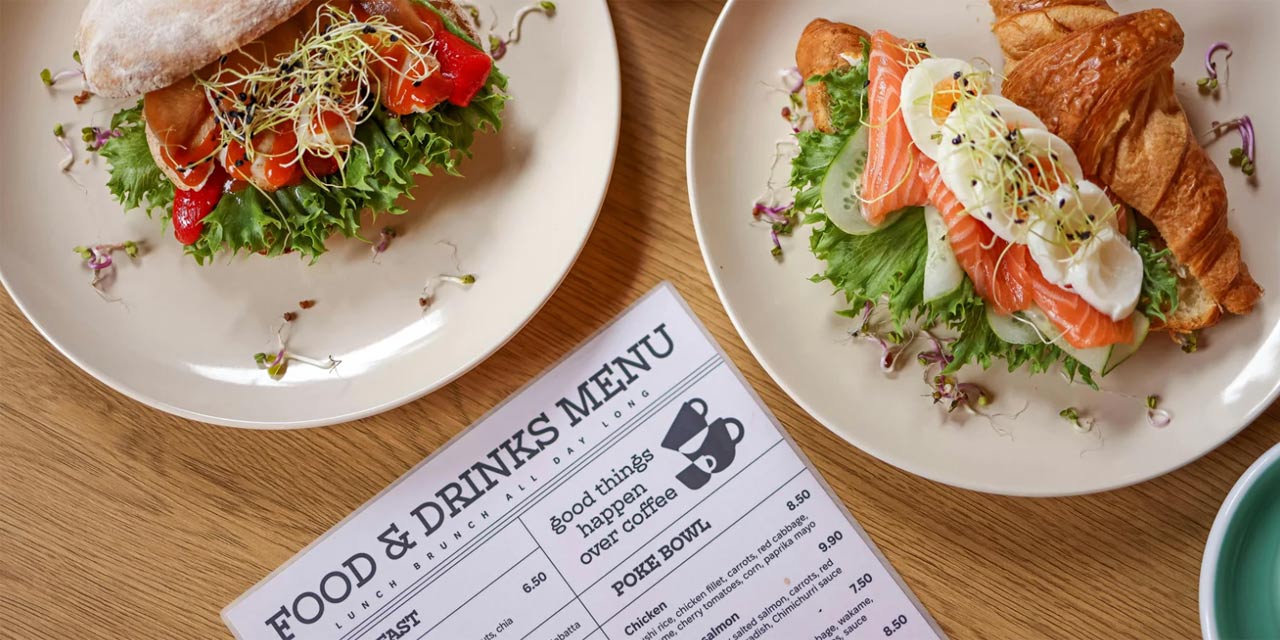
When we talk about gastronomy, we usually start with flavors. Ingredients, techniques, traditions, and the hands that bring them together. But there is another element that quietly shapes the dining experience long before the first bite is taken. It doesn’t sizzle in a pan or simmer on a stove. It sits on the table, often overlooked, yet it influences expectations, choices, and even memory.
That element is the menu.
A menu is not just a list of dishes. It is the first conversation a restaurant has with its guest. It sets the tone, tells a story, and hints at what kind of experience is about to unfold. Whether you are running a fine-dining restaurant, a neighborhood café, a food truck, or even hosting a pop-up event, the way you present your menu matters more than many people realize.
In gastronomy, presentation has always been inseparable from taste. The same is true for menus.
Why menus matter more than we think
Think back to a memorable meal you’ve had. Chances are, you remember more than just the food. You remember how it felt to be there. The atmosphere, the anticipation, the sense that someone had thought carefully about the experience as a whole.
The menu plays a major role in that feeling. It guides the guest through the offering, highlights what the kitchen is proud of, and subtly communicates values. Is the focus on local ingredients? Seasonal dishes? Comfort food? Innovation?
A cluttered or confusing menu can create hesitation. A thoughtful, well-designed one builds trust. It reassures the guest that care has gone into every detail, including what will soon arrive at the table.
Storytelling through food descriptions
In Brazilian gastronomy especially, food is deeply tied to culture, memory, and place. A dish is rarely just a dish. It carries regional identity, family traditions, and emotional weight.
The way a menu describes food can honor that richness. Instead of generic labels, a few carefully chosen words can evoke aroma, texture, and history. A simple mention of where an ingredient comes from or how a recipe was inspired instantly creates a connection.
This doesn’t mean overloading descriptions with poetic language. The best menus strike a balance between clarity and character. They invite curiosity without overwhelming the reader.
When a menu tells a story, guests engage not just with the food, but with the people behind it.
Visual design as part of the culinary experience
Just as plating affects how a dish is perceived, visual design affects how a menu is read. Typography, spacing, color, and layout all influence how easily guests navigate their choices.
A clean layout helps guests focus. Thoughtful spacing gives dishes room to breathe. Visual hierarchy guides the eye toward specialties or signature items. These details may seem subtle, but together they shape the overall impression.
For many chefs and restaurant owners, design can feel intimidating. Not everyone has access to a professional designer, especially when menus change frequently due to seasonality or availability. This is where accessible tools can be helpful, allowing culinary professionals to maintain quality and consistency without sacrificing flexibility. Using something like a menu maker from Adobe Express allows creators to adjust layouts, update dishes, and keep visuals aligned with their brand without starting from scratch each time.
The goal is not to create something flashy, but something that feels intentional and aligned with the food being served.
Menus and psychology at the table
Menus don’t just inform. They influence behavior.
The order of items, the placement of prices, and the grouping of dishes all subtly affect decision-making. Guests tend to focus on what appears first or what stands out visually. Items placed in certain positions often receive more attention than others.
This isn’t about manipulation. It’s about guidance. A menu can help guests discover dishes they might otherwise overlook. It can gently steer attention toward seasonal offerings or specialties the kitchen is excited about.
When done thoughtfully, menu design enhances satisfaction. Guests feel confident in their choices, which often leads to a more enjoyable experience overall.
Adaptability in a changing culinary landscape
The gastronomy world has changed dramatically in recent years. Menus are no longer static. They adapt to supply chains, dietary preferences, sustainability concerns, and evolving consumer habits.
Digital and printable menus need to be flexible. Restaurants update offerings more frequently, experiment with formats, and respond quickly to feedback. A rigid menu design can become a limitation rather than a tool.
Being able to adjust content easily allows culinary professionals to stay creative and responsive. Whether it’s highlighting a new dessert, adjusting prices, or creating a special menu for an event, adaptability has become part of modern gastronomy.
Menus are living documents, just like cuisine itself.
Small businesses, big impact
Independent restaurants, cafés, and food entrepreneurs are the heartbeat of gastronomy. They often operate with limited resources but endless creativity.
For these businesses, menus are one of the most powerful communication tools available. A well-crafted menu can elevate perception, attract new guests, and reinforce identity without requiring massive investment.
From street food vendors to artisanal bakeries, thoughtful menu presentation helps level the playing field. It allows small players to compete not by scale, but by care and authenticity.
In many cases, the menu becomes the bridge between passion in the kitchen and recognition in the dining room.
Menus beyond restaurants
Menus are no longer confined to restaurants alone. They appear at food festivals, tasting events, cooking classes, and even private gatherings. They serve as keepsakes, educational tools, and branding elements.
A tasting menu can guide guests through a curated journey. An event menu can tell a story about a theme or region. A class menu can support learning and engagement.
In all these contexts, clarity and design still matter. The menu remains a storyteller, regardless of setting.
Respecting tradition while embracing innovation
Brazilian gastronomy is rich in tradition, but it is also dynamic and evolving. Menus sit at the intersection of these forces.
A well-designed menu can honor traditional dishes while presenting them in a contemporary way. It can respect heritage while inviting innovation. This balance reflects the broader culinary landscape, where chefs reinterpret classics and diners seek both comfort and discovery.
Menus, when approached with intention, become cultural artifacts. They capture a moment in time, a philosophy, a way of cooking and sharing food.
Conclusion: more than words on a page
A menu may seem simple, but its impact is profound. It shapes expectations, guides experiences, and connects guests to the heart of a culinary vision.
In gastronomy, where emotion and memory are as important as flavor, menus deserve the same care as the dishes they present. When treated as an extension of the kitchen rather than an afterthought, they enhance not just the meal but the story behind it.
Whether you are a chef, restaurateur, or food enthusiast, paying attention to menus is a way of honoring the craft. Because before the food speaks, the menu does.
Foto Destaque: Canva

